How Much Is Amethyst Worth? Value by Color and Size
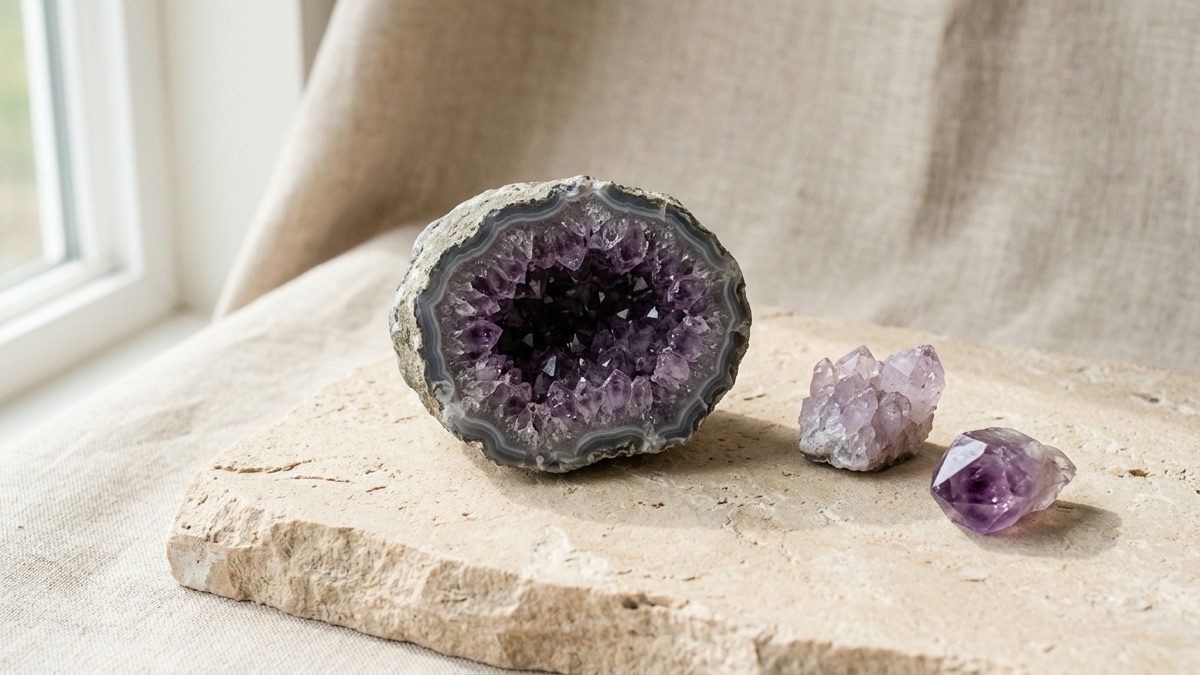
A purple crystal is the first "real gem" most people ever hold, whether it came out of a gift-shop geode or a creek bed. So what is it actually worth? Amethyst has a clear answer at the low end, a surprising one at the high end, and a few rules in between that anyone can learn.
Quick answer
Most amethyst is inexpensive. As of September 2026, FossilEra listed small Uruguayan clusters at $45 to $65, and Bonhams has sold a large Brazilian geode section for $275 and a 17.7 inch Uruguayan geode for $7,012.50. Deep, even purple with no zoning, large undamaged crystals and an attractive shape push prices up; pale color, brown tints and damage pull them down.
Key takeaways
- Amethyst is purple quartz, Mohs 7. GIA calls it the most valued quartz variety, but big Brazilian finds in the 19th century made it common.
- Color is the whole game: GIA's ideal is strong reddish purple to purple with no visible zoning. Brownish tints and obvious zoning lower value dramatically.
- Small clusters sell for tens of dollars, good geodes for hundreds, and large cathedrals and showpieces for thousands (dated examples below).
- Price per carat does not rise much with size for faceted stones, so big amethysts are affordable centerpieces.
- Heat can lighten dark stones or turn amethyst into citrine, dye can deepen pale ones, and glass imitates it. A lab report settles it.
Is amethyst valuable?
Amethyst was once a stone for crowns. GIA says it was considered equal in value to ruby, emerald and sapphire, and as expensive as ruby and emerald until the 19th century, when large deposits were discovered in Brazil. Supply went up, prices came down, and amethyst became the gem GIA describes as beautiful enough for crown jewels yet affordable enough for class rings.
That history explains the market today. Amethyst is still the most valued quartz variety, and the best pieces are genuinely sought after, but the material is common enough that ordinary specimens sell for modest sums. Our rocks worth money hub explains the same pattern for quartz in general.
How much is amethyst worth? Real, dated prices
Dealer prices are what a seller was asking when we checked in September 2026. Auction prices are what a buyer paid, including the buyer's premium, on the date shown. None of them is an appraisal of your piece.
| What sold or was offered | Size | Price | Source and date |
|---|---|---|---|
| Amethyst clusters, Uruguay | 4 to 4.9 in | $45 to $65 | FossilEra, September 2026 |
| Thunder Bay amethyst cluster with hematite, Canada | 3.2 in | $59 | FossilEra, September 2026 |
| Amethyst cluster, Las Vigas, Mexico | 2.15 in | $45 | FossilEra, September 2026 |
| Large amethyst geode section, Brazil | 24.5 x 21.5 x 7 in | $275 | Bonhams, May 2018 |
| Two small clusters mounted as pendants, Brazil | Small, 14K gold mounts | $280.50 | Bonhams, July 2021 |
| Sparkly deep purple geode, Uruguay | 9.5 in | $485 | FossilEra, September 2026 |
| Split geode plus two geode halves, Artigas, Uruguay | 5 to 6 in halves | $573.75 | Bonhams, October 2020 |
| Deep purple geode, Uruguay | 10.1 in | $695 | FossilEra, September 2026 |
| Geode section with calcite on a stand, Uruguay | 21 in | $1,950 | FossilEra, September 2026 |
| Large amethyst cathedral, Brazil | 32 x 14 x 12 in | $2,750 | Bonhams, December 2016 |
| Dark purple geode on a metal stand, Uruguay | 14.2 in | $3,555 | FossilEra, September 2026 |
| Pair of amethyst cathedrals, Brazil | About 6 ft tall, 120.8 and 166 kg | $3,904 | Bonhams, May 2010 |
| Geode with four stalactite "eyes," Artigas, Uruguay | 17.7 x 9.4 x 3.9 in | $7,012.50 | Bonhams, December 2021 |
| Egg-shaped amethyst geode with stand | 48 in | $26,100 | FossilEra, September 2026 |
Read the table sideways and the lesson is obvious. The 24.5 inch Brazilian geode section sold for $275, while the 14.2 inch Uruguayan geode was listed at $3,555 and the 17.7 inch geode with "eyes" sold for $7,012.50. Size alone did not decide those numbers. Color, crystal quality, shape and unusual features did.
What decides the value of amethyst?
Color
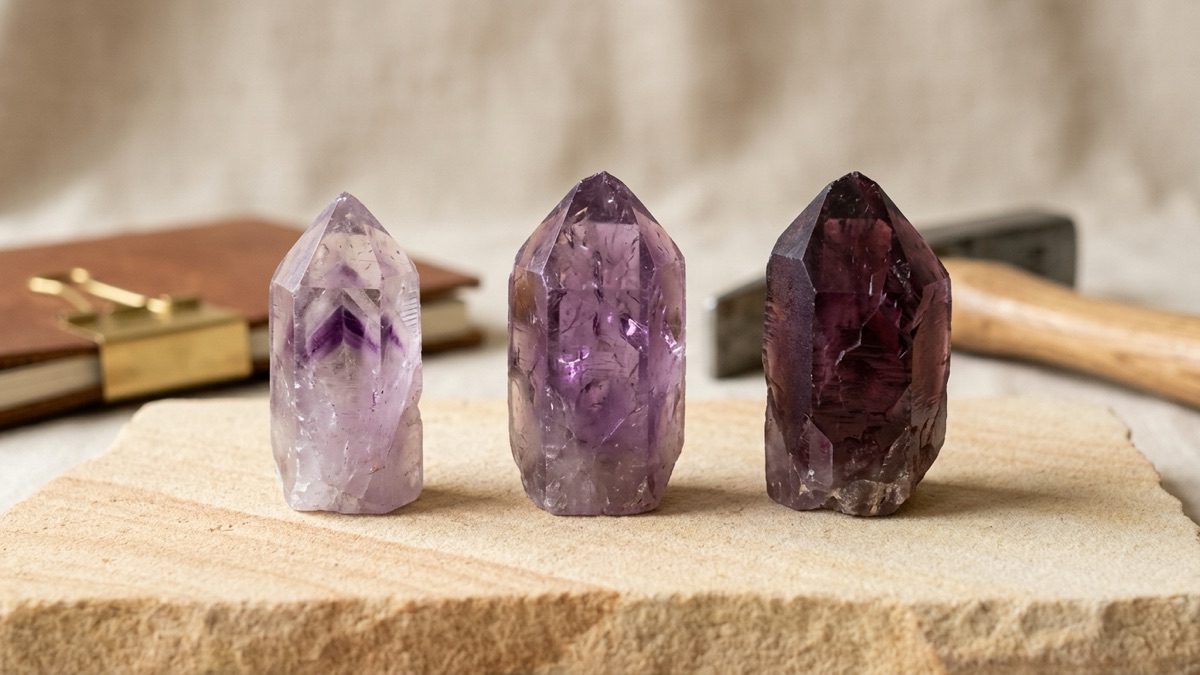
GIA's quality factors put it plainly: the finest amethyst is a strong reddish purple or purple with no visible color zoning. Dealers favor strongly saturated reddish purple to dark purple, but not so dark that the stone loses brightness or looks black in dim light. Any brownish or bronze tint, and any noticeable color zoning, lower value dramatically.
Zoning is the angular banding of darker and lighter purple that GIA says amethyst commonly shows. It is natural, it can be pretty in a crystal, and it is a flaw in a faceted gem. Dealers also note that darker crystals are rarer and more valuable, which is why listings shout "deep purple."
Clarity and crystal condition
GIA says most faceted amethyst sold commercially is eye-clean, and eye-clean material of equivalent color commands a higher price. Zambian amethyst tends to be more saturated and raspberry-toned but carries more inclusions, which buyers accept for the color. On specimens, condition means intact crystal tips: chipped or cleaved points are the first thing a buyer looks for.
Size and shape
For faceted stones, GIA notes that the price per carat does not rise dramatically with size, so amethyst stays popular for large center stones. For specimens, size multiplies value only when color and condition hold up, and shape does a lot of work. The arched half-geodes known in the hobby as cathedrals sell as decor, and the Bonhams examples above show the range: $2,750 for one 32 inch cathedral, $3,904 for a 6 foot pair.
Special features
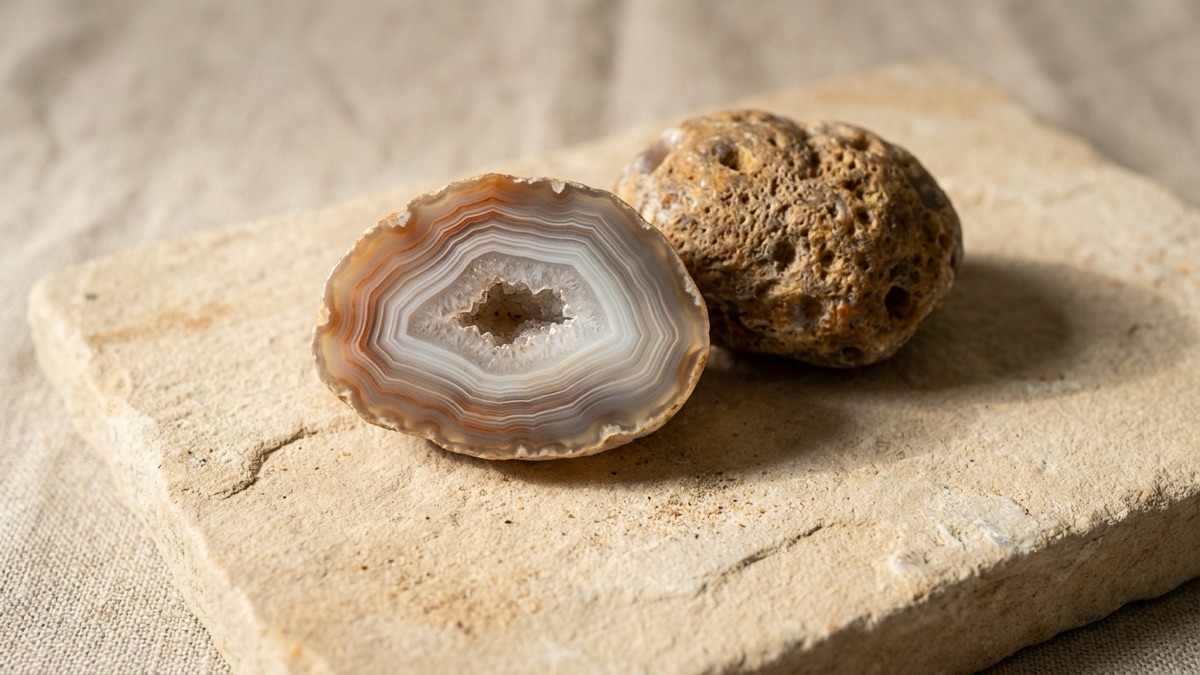
Unusual growth catches collectors. The Uruguayan geode that sold for $7,012.50 had four stalactite formations with dark cores, called "eyes." Calcite crystals sitting on the amethyst, agate borders, and hematite dusting (as on the Thunder Bay clusters) all add interest. So does a known locality on a label.
Treatment and imitations
GIA lists three things to know. Heat treatment can lighten very dark amethyst, and lower-quality material may be dyed to deepen its purple. Heat also turns amethyst yellow: GIA says most citrine on the market is heat-treated amethyst, so an amethyst geode with an oddly orange sibling in the shop has probably met an oven. Glass is a common imitation of amethyst, and synthetic amethyst exists, which GIA's study of Four Peaks material distinguished by natural inclusions and growth features. None of this shows in a photo, and only a lab report resolves it for a high-value stone.
Heads up
GIA warns that some amethyst can fade with prolonged exposure to intense light and that abrupt temperature changes can fracture it. Keep a prized cluster out of the sunny windowsill.
Where does amethyst come from?
GIA names Brazil's large 19th century deposits as the turning point in amethyst history, with Uruguay, Bolivia, Zambia, Morocco, Namibia and Canada among other sources. The famous geodes come from lava. The Natural History Museum in London explains that in Rio Grande do Sul, Brazil, and across the border in Uruguay, silica-rich water repeatedly lined spherical gas voids in lava flows more than 100 million years old, and the region is famous for its agate and amethyst geodes. GIA adds that some Brazilian geodes are big enough to stand in.
The United States has its own classic locality. GIA's Gems & Gemology reports that the Four Peaks mine in Maricopa County, Arizona, has produced gem-quality amethyst for more than a century from cavities and fractures in brecciated quartzite, with a range of purple colors and uneven zoning. It is a mine rather than a public collecting site, so admire its crystals in a shop rather than on foot.
Where can you dig amethyst yourself?
Here are two public sites we checked in September 2026. Always read the manager's current page before you go.
| Place | Who manages it | The rule |
|---|---|---|
| Dugway Geode Beds, Juab County, Utah | BLM Fillmore Field Office | Free, no permit; hand tools; tunneling not permitted; some geodes hold clear, amethyst or rose quartz |
| Topaz Mountain, Utah | BLM land, with a state trust section and possible gemstone leases | Free collecting; amethyst listed among other minerals; do not collect on marked claims |
| National parks | National Park Service | No collecting at all (36 CFR 2.1) |
The Utah Geological Survey says most Dugway geodes are 2 to 3 inches across, that you need a high-clearance vehicle, water and a spare tire, and that rock shops can cut geodes for you. The BLM warns that tunneling into the soft beds is unsafe and not permitted. For more geode country, see our guide to where to find geodes, and read our rock collecting rules before you dig anywhere.
Is it really amethyst? Quick checks
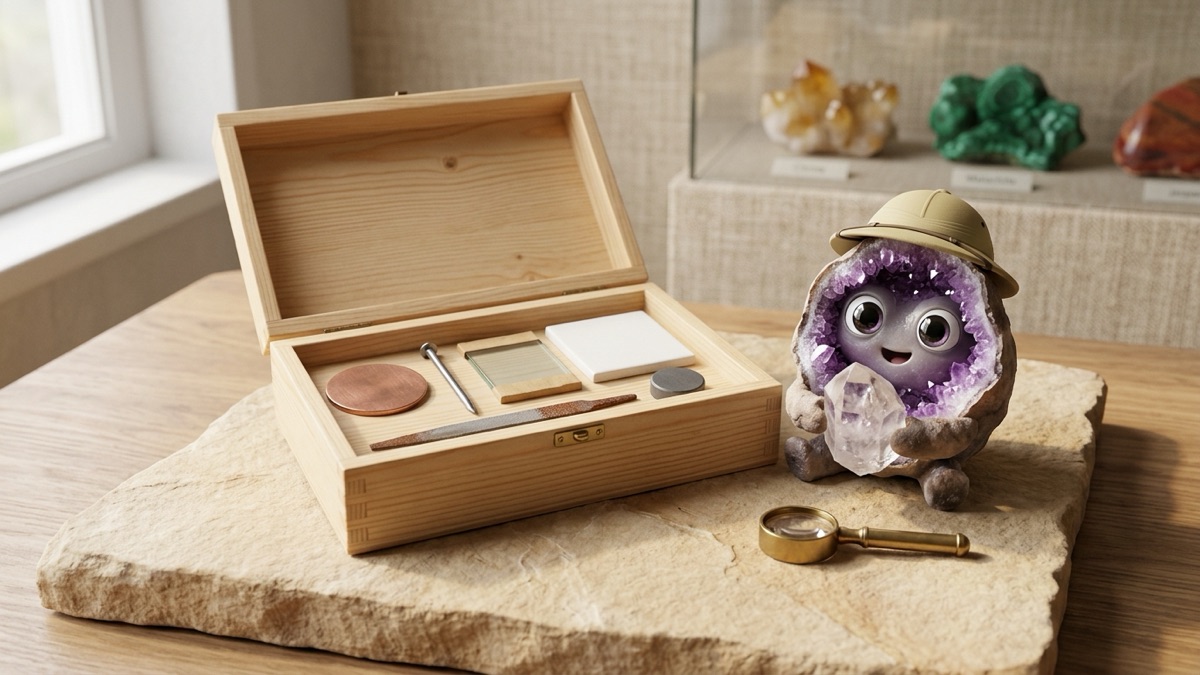
Amethyst is quartz, so it behaves like quartz. USGS gives quartz a hardness of 7, which means it scratches window glass (about 5.5) easily. Purple fluorite, the most common natural look-alike, is only Mohs 4 and cannot scratch glass. Glass imitations are about as hard as glass, so they struggle to scratch it. Natural amethyst crystals are six-sided columns with a pyramid-shaped tip, as GIA describes, and often show that angular color zoning.
Try it
Check a purple crystal's hardness against glass and steel with the free Mohs hardness scale, which includes a scratch simulator, then narrow down a purple find with the rock identifier. Both run in your browser and never upload a photo.
Fun fact
GIA notes that the name comes from the ancient Greek amethystos, meaning "not drunk," because the stone was believed to prevent intoxication. It is also the February birthstone.
How do you find out what your amethyst is worth?
- Confirm it is quartz with a glass scratch test on an inconspicuous spot.
- Judge the color in daylight, away from the shop's spotlights. Look for evenness and for brown tints.
- Inspect every point with a hand lens and note chips, cracks and dull spots.
- Measure it and note the locality, or where you bought it.
- Compare with dated sales of similar size, color and shape, like the table above. A dealer's asking price is not a selling price.
- Ask a specialist for anything that might be worth real money: a mineral dealer, a club show, or, for insurance and estates, an appraiser from the American Society of Appraisers directory.
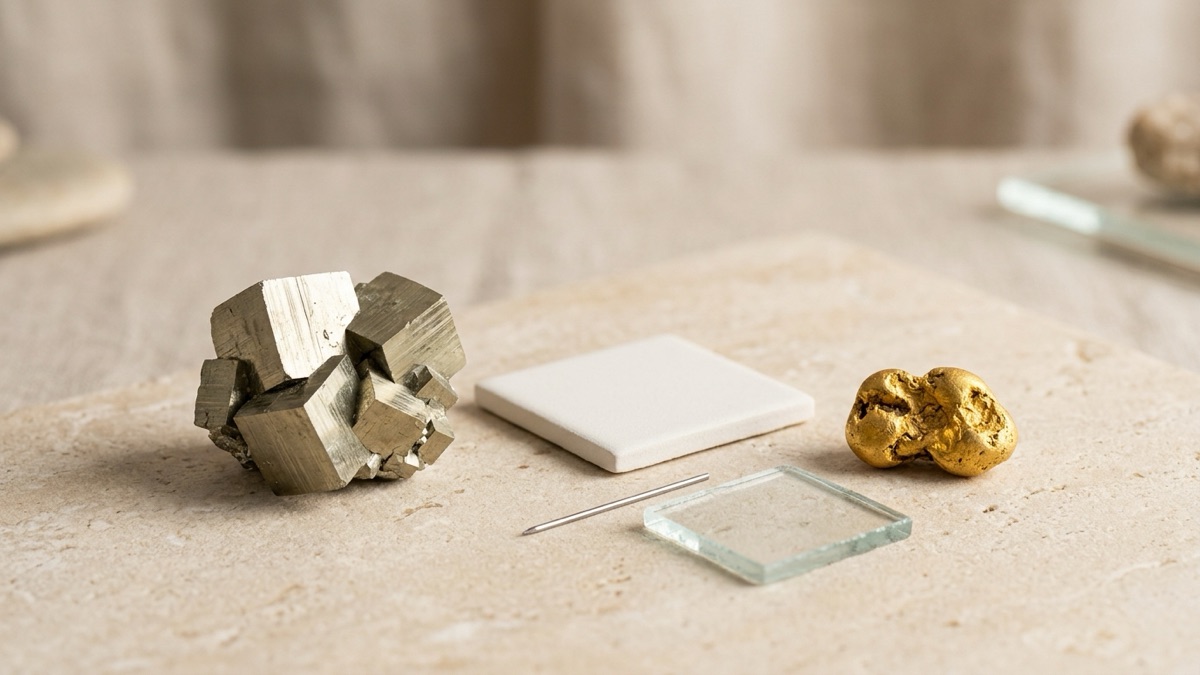
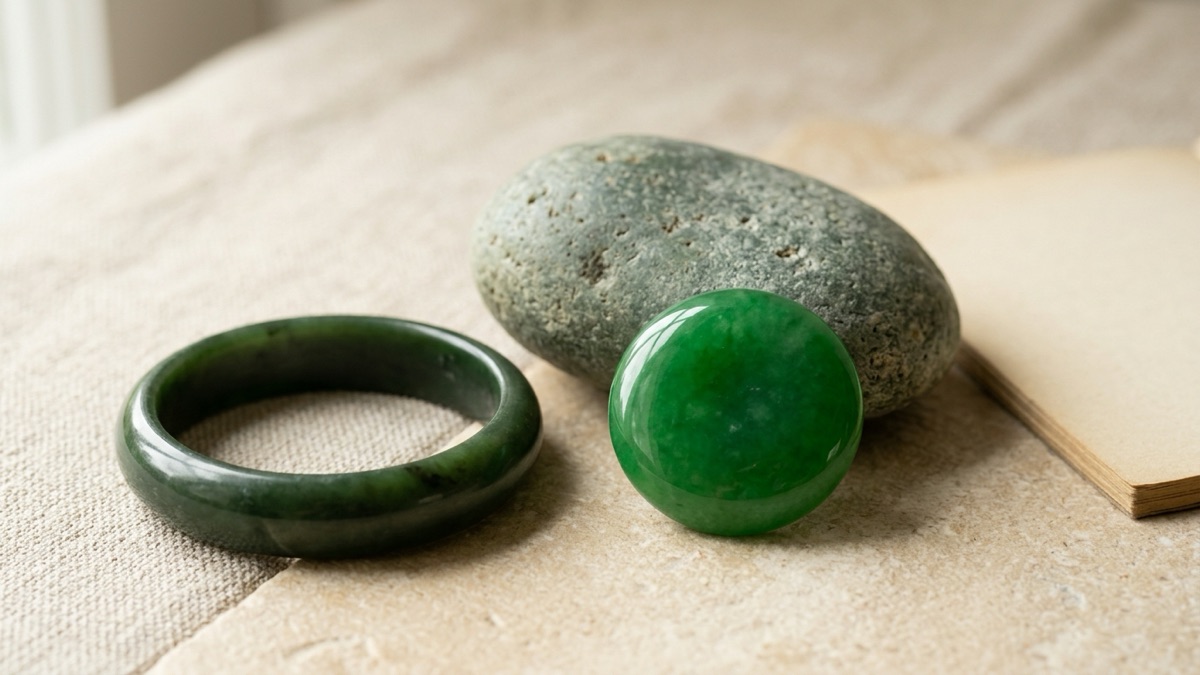
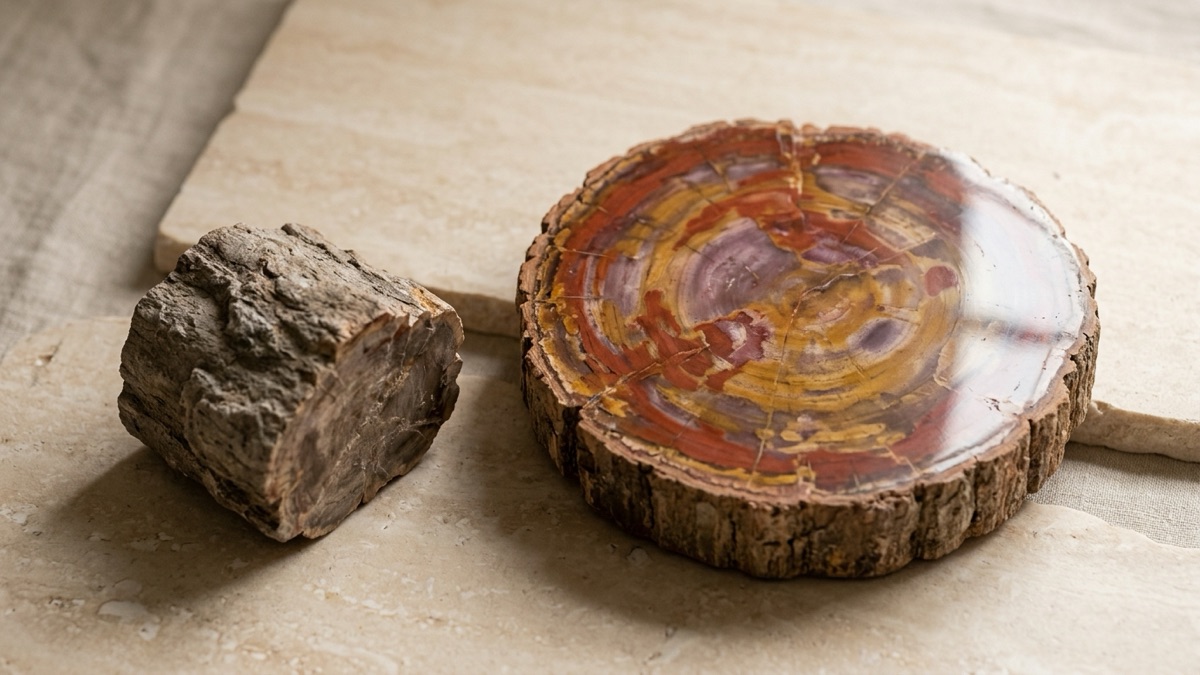
For other finds whose value surprises people, see how much jade is worth, petrified wood value, and the classic mix-up in pyrite vs gold.
The takeaway
Amethyst is common, so most pieces are worth tens of dollars, but deep, even purple in large, undamaged crystals with a good shape and a known locality can bring hundreds or thousands. Judge color first, condition second, size third, and get a lab report before anyone pays serious money. The RockhoundID app, coming soon, will suggest likely matches from a photo and tell you which test confirms them.
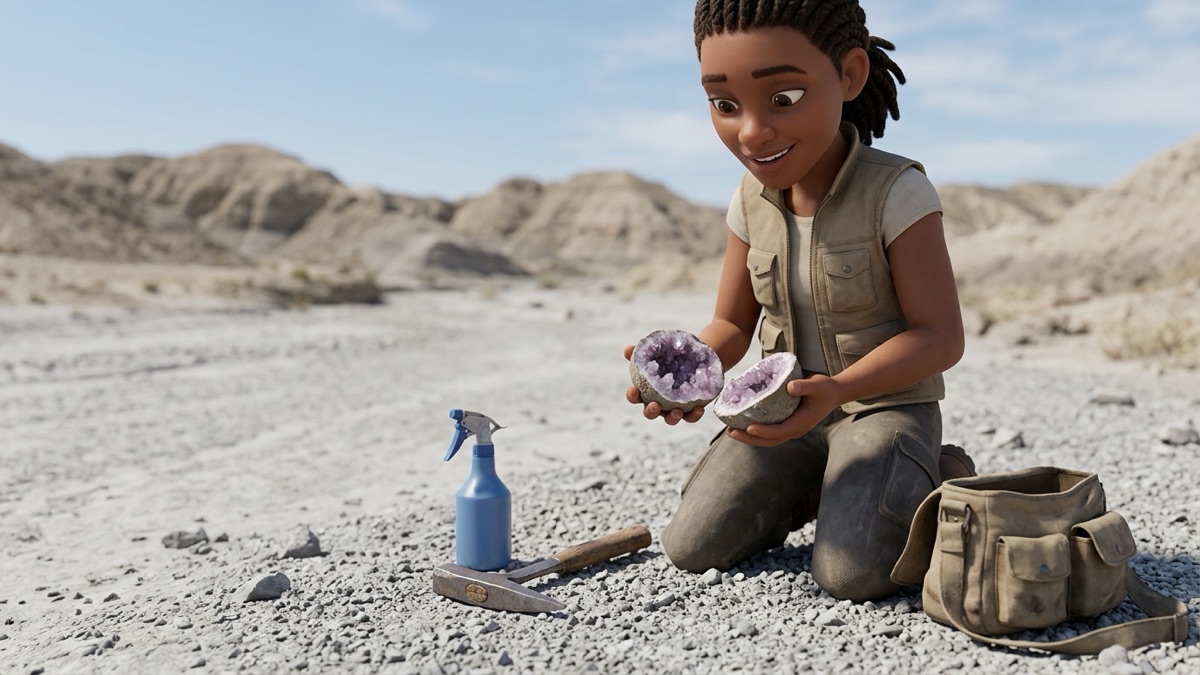
The pictures in this guide are AI-generated illustrations of what to look for; real specimens vary, so trust the tests over any picture. RockhoundID guides help you narrow down what you found. They suggest likely candidates, not certain identifications or appraisals. For anything valuable, rare or possibly from space, ask a museum, a university geology department or your state geological survey, and check the collecting rules for the land before you take anything home.
Questions rockhounds ask
How much is an amethyst geode worth?
It depends on size, color and shape. As of September 2026, FossilEra listed a 4.95 inch Uruguayan geode at $45 and a 14.2 inch deep purple geode on a stand at $3,555. At Bonhams, a 17.7 inch Uruguayan geode with stalactite eyes sold for $7,012.50 in December 2021.
What color of amethyst is most valuable?
GIA says the finest amethyst is a strong reddish purple to purple with no visible color zoning. Stones that are too dark look black in dim light, and brownish or bronze tints and obvious zoning lower value dramatically.
Is a raw amethyst worth anything?
Usually a little. Small rough pieces and pale clusters sell for a few dollars to a few tens of dollars. Value rises quickly with deep, even color, large undamaged crystals, an attractive shape and a known locality.
Is amethyst rare?
Not anymore. GIA says amethyst was as expensive as ruby and emerald until large Brazilian deposits were found in the 19th century. Today it is the most valued quartz variety but widely available, so only exceptional pieces bring high prices.
Where can I dig amethyst for free?
The BLM's Dugway Geode Beds in Utah are free, with clear, amethyst and rose quartz inside some geodes, and Utah's Topaz Mountain also yields amethyst. Both are BLM land; stay off marked mining claims and check the rules before you go. National parks are closed to collecting.
Where these facts come from
- GIA: Amethyst (overview, hardness, sources, history): www.gia.edu/amethyst
- GIA: Amethyst quality factors (color, clarity, cut, carat weight, treatments): www.gia.edu/amethyst-quality-factor
- GIA: Amethyst description (color range and zoning): www.gia.edu/amethyst-description
- GIA: Amethyst history and lore: www.gia.edu/amethyst-history-lore
- GIA: Amethyst care and cleaning (fading, heat): www.gia.edu/amethyst-care-cleaning
- GIA: Citrine (most citrine is heat-treated amethyst): www.gia.edu/citrine
- GIA: An introduction to imitation gems (glass imitates amethyst): www.gia.edu/gem-imitation
- GIA Gems & Gemology, Fall 2004: Amethyst from Four Peaks, Arizona: gia.edu/gems-gemology/fall-2004-amethyst-four-peaks-arizona-lowell
- Natural History Museum, London: The Jubilee agate (geodes in Rio Grande do Sul and Uruguay lava): www.nhm.ac.uk/discover/news/2022/june/jubilee-agate--a-royal-piece-of-quartz.htm
- USGS: Gemstones, mineral hardness (quartz 7): pubs.usgs.gov/gip/gemstones/mineral.html
- Bonhams: Large amethyst geode section, Brazil (May 2018): www.bonhams.com/auction/24619/lot/4231/large-amethyst-geode-section
- Bonhams: Two amethyst clusters mounted as pendants, Brazil (July 2021): www.bonhams.com/auction/27119/lot/4224/two-amethyst-clusters-mounted-as-pendants
- Bonhams: Amethyst geode split and two geode halves, Artigas, Uruguay (October 2020): www.bonhams.com/auction/26150/lot/1054/amethyst-geode-split-and-two-additional-g
- Bonhams: Large amethyst cathedral, Brazil (December 2016): www.bonhams.com/auction/23475/lot/175/large-amethyst-cathedral
- Bonhams: Large pair of amethyst cathedrals, Brazil (May 2010): www.bonhams.com/auction/18252/lot/1268/large-pair-of-amethyst-cathedrals
- Bonhams: Large amethyst and agate geode with stalactite eye formations, Artigas, Uruguay (December 2021): www.bonhams.com/auction/26880/lot/2267/large-and-impressive-amethyst-and-agate-g
- FossilEra: Amethyst geodes for sale (asking prices checked September 2026): www.fossilera.com/minerals-for-sale/amethyst-geodes
- FossilEra: Amethyst for sale (asking prices checked September 2026): www.fossilera.com/minerals-for-sale/amethyst
- BLM: Dugway Geode Beds, Utah: www.blm.gov/visit/dugway-geode-beds
- Utah Geological Survey: Dugway geodes: geology.utah.gov/popular/rocks-minerals/rock-mineral-collecting-sites/dugway-geo
- Utah Geological Survey: Topaz at Topaz Mountain: geology.utah.gov/popular/rocks-minerals/rock-mineral-collecting-sites/topaz-at-t
- eCFR: 36 CFR 2.1, preservation of natural resources (National Park Service): www.ecfr.gov/current/title-36/chapter-I/part-2/section-2.1
- American Society of Appraisers: Find an appraiser: myaccount.appraisers.org/Directories/Find-An-Appraiser