
How Much Is Petrified Wood Worth? What Sets the Price
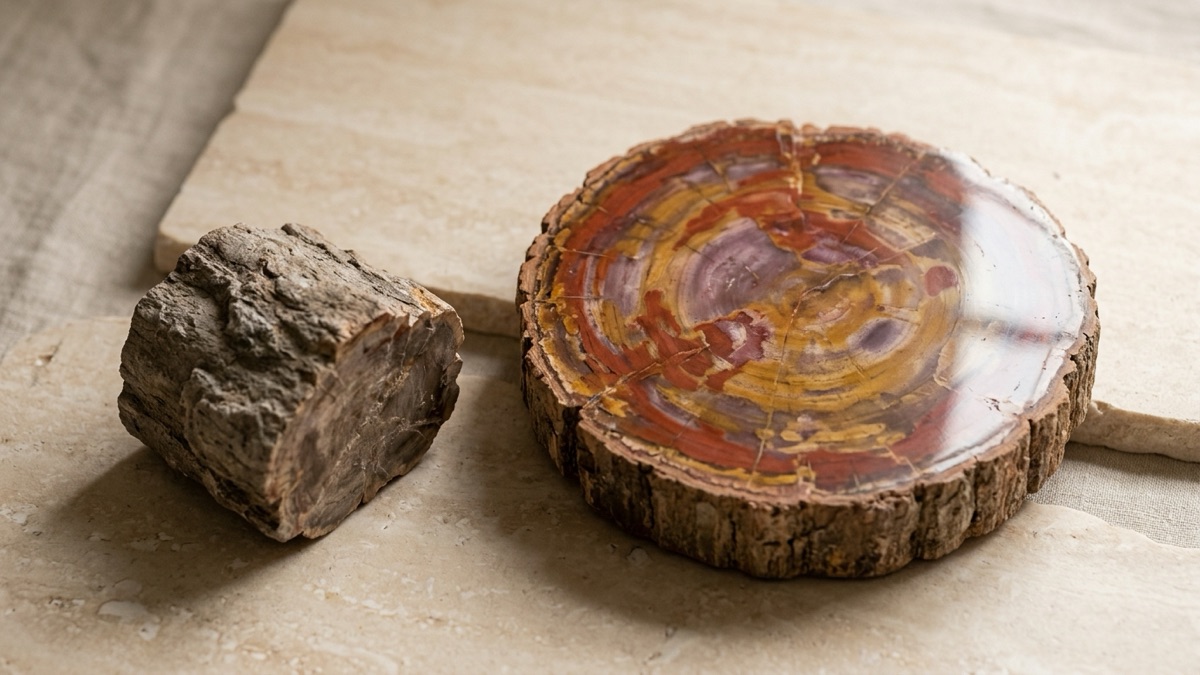
Most petrified wood is worth tens of dollars, not thousands, and only large, colorful, well-polished pieces reach serious collector prices. Color, polish, size, damage and a legal source decide where a piece lands, whether it came from a wash or a grandparent's shelf, and each of those is something you can learn to spot.
Quick answer
Most petrified wood sells for tens of dollars, not thousands. As of September 2026, FossilEra listed small Arizona pieces from $19 and polished pieces from $85, while large, colorful polished slabs have sold at Bonhams for $2,750 to $8,925. Color, polish, size, damage and a legal source set the price.
Key takeaways
- Ordinary pieces are common and inexpensive. Price climbs only when color, polish, size and condition all line up.
- As of September 2026, FossilEra listed 32 Arizona pieces priced from $19 to $595. Big polished slabs have sold at Bonhams for $2,750 to $8,925.
- The Arizona "rainbow" wood in shops comes from private land outside Petrified Forest National Park, where collecting is illegal.
- Wood you collect free on BLM land is for personal use and may not be sold or bartered to commercial dealers.
- Nobody can price a piece from a photo. Confirm what it is, then ask a specialist dealer or a qualified appraiser.
Is petrified wood worth anything?
Yes, but usually less than people expect from a fossil tree. Where it occurs, petrified wood can be plentiful. The National Park Service says the wood in and around Petrified Forest National Park is almost solid quartz, and that the park protects just over 20 percent of the original deposit. The rest lies outside the park, and the Park Service says the wood sold in rock shops comes from private land there.
Common does not mean worthless, though. A dull chunk from a wash may be worth little, while the same material, cut and polished into a bright slab, becomes a piece of natural art. The trick is knowing which features buyers actually pay for. Our guide to petrified wood explains how it forms and how old it is.
How much is petrified wood worth? Real prices
Here are real prices with their sources. Dealer prices are what a seller was asking when we checked in September 2026. Auction prices are what a buyer paid, including the buyer's premium, on the date shown. None of them is an appraisal of your piece.
| What sold or was offered | Size | Price | Source and date |
|---|---|---|---|
| Unpolished Arizona sections with sparkling quartz | about 3 in | $19 to $23 each | FossilEra asking prices, September 2026 |
| Polished Arizona pieces (Araucarioxylon) | 4.5 to 7.4 in | $85 to $185 | FossilEra, September 2026 |
| Rare Schilderia end cut, Arizona | 6.8 in | $495 | FossilEra, September 2026 |
| Polished sphere, Arizona | 5.4 in | $595 | FossilEra, September 2026 |
| Pair of rectangular slabs on stands, sold as end tables | about 19 x 17.5 in each | $2,750 | Bonhams, May 2018 |
| Agatized wood slab, red and black, full bark | 28 x 26 in | $5,625 | Bonhams, May 2018 |
| Pair of book-matched polished slabs | 27 x 20 in each | $8,925 | Bonhams, December 2021 |
Notice the jump. Every row is Triassic wood from the Chinle Formation of Arizona, so the material is broadly the same. What changes is size, cutting and polish, color, and, at the top, matched sets that make a pair of tables.
Two cautions. An asking price is not a selling price, and an auction result is one buyer on one day. Treat the figures above, as of September 2026, as a snapshot rather than a price list for your own piece.
What makes one piece worth more than another?
Buyers look at several features together. A piece that scores well on one and badly on the rest rarely sells high.
Color
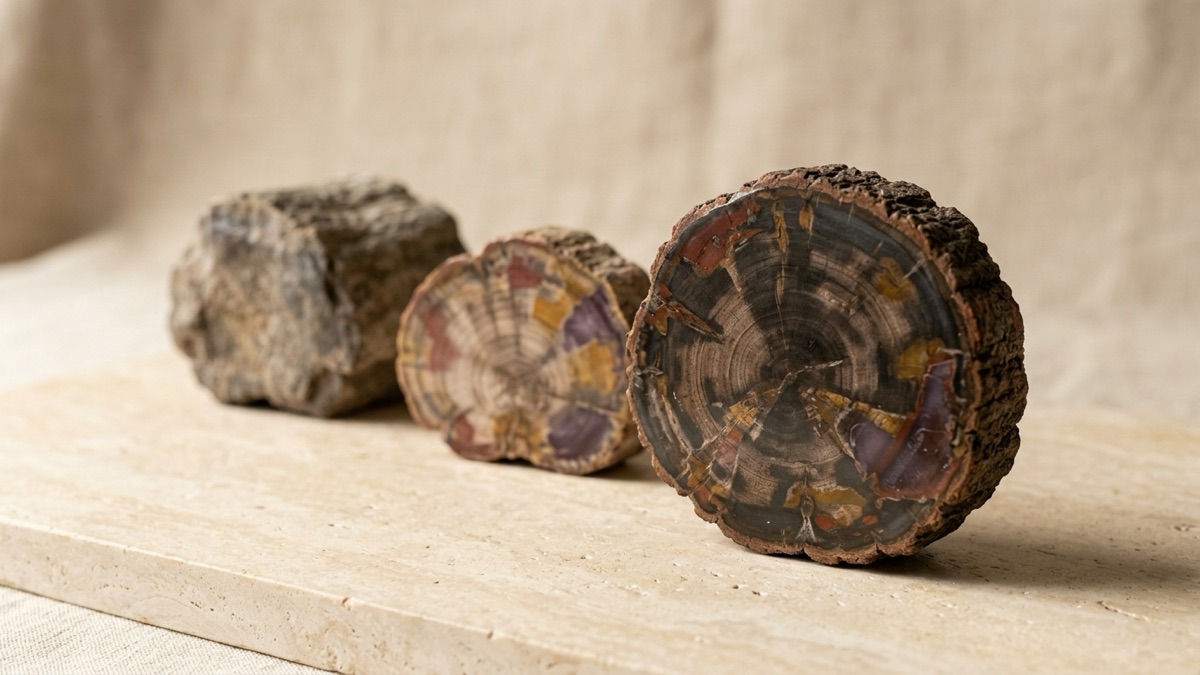
Bright, varied color matters a lot for display wood, and auction catalogs lead with it: Bonhams praised the "brilliant red, rust and magenta" of its book-matched pair. The Park Service says the rainbow of colors in Arizona wood comes from impurities in the quartz, such as iron, carbon and manganese. FossilEra, a fossil dealer, notes that reds, oranges and yellows are common in Arizona wood while purples and blues are rarer. A gray or brown piece can be perfectly genuine and still be worth little.
Polish and cut
Rough wood is the cheapest form, since the buyer still has to do the cutting. A polished face shows off color and grain, and in the table the polished pieces start several times higher than the unpolished sections. The cut matters too: Bonhams described the slabs in its end-table pair as lengthwise cuts from one continuous plank, which it called much rarer than the usual crosswise slices.
Size and completeness
Large, intact pieces are harder to find and to move, and the biggest slabs in the table brought the highest prices. A round that keeps its bark rind all the way around looks complete, and auction catalogs point that out: Bonhams noted the "full bark texture all around" on its 28 inch agatized slab.
Crystal pockets and rare species
Some logs grew crystals inside. The Park Service describes jewel-like crystals of clear quartz, amethyst, citrine and smoky quartz forming in the wood. Species matters to specialist buyers as well: FossilEra's rare Schilderia end cut was priced several times higher than its common Araucarioxylon pieces of similar size.
Damage and repairs
Cracks, chips and missing bark all lower appeal, and a crack that runs through a slab can split it later. Some large slabs get a reinforced backing so they can serve as tabletops; Heritage Auctions described a 28 inch Arizona slab that way in March 2023. That is not a scandal, but a buyer should know, so ask the seller to disclose any backing or repair.
Locality and a clean paper trail
Arizona "rainbow" wood is famous, and buyers want to know it came from legal land. The Park Service says every piece in gift shops comes from private lands outside the park. FossilEra says its Arizona wood comes from private ranches near Holbrook, and Bonhams described its agatized slab as coming from private property near the Petrified Forest. Keep any label or receipt that says where yours came from.
Fun fact
Even the park's own gift shop sells petrified wood. The Park Service says it is collected legally from locations outside the park, so visitors can take a piece home without taking one from the park.
Can you collect petrified wood and sell it?
Where the wood came from can matter as much as how pretty it is. Here are the main rules, checked in September 2026:
| Where | Collecting | Selling |
|---|---|---|
| Petrified Forest National Park (National Park Service) | Prohibited: removing rocks, fossils and minerals from a national park is illegal | Not an option |
| BLM public land, 43 CFR 3622.4 | Free for personal use: up to 25 pounds plus one piece a day, 250 pounds a year, no pooling, no explosives or power equipment | May not be sold or bartered to commercial dealers |
| Private land | Only with the owner's permission | The owner's right, per the Park Service |
The BLM's general rule (43 CFR 8365.1-5) adds that collecting for sale or barter needs a contract or permit, and that developed recreation sites and posted areas are off limits. Our guide to rock collecting rules covers forests, parks and private land in more detail, and rockhounding in Arizona covers where you can legally look.
Heads up
Leave every piece inside Petrified Forest National Park where it lies. On BLM land, rules and closures vary, so contact the local BLM office before you go. Carry plenty of water in the desert, and never collect bones or teeth (vertebrate fossils) on public land.
How do you find out what your petrified wood is worth?
Work through these steps in order. Each one either narrows the answer or saves you a wasted trip.
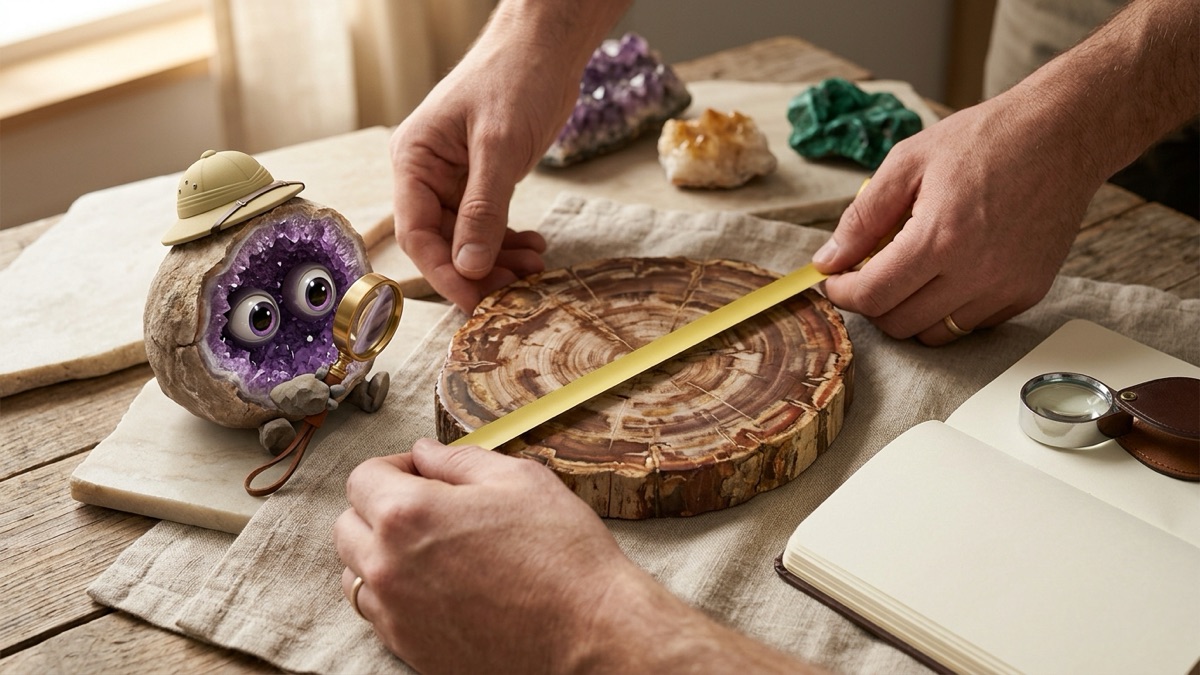
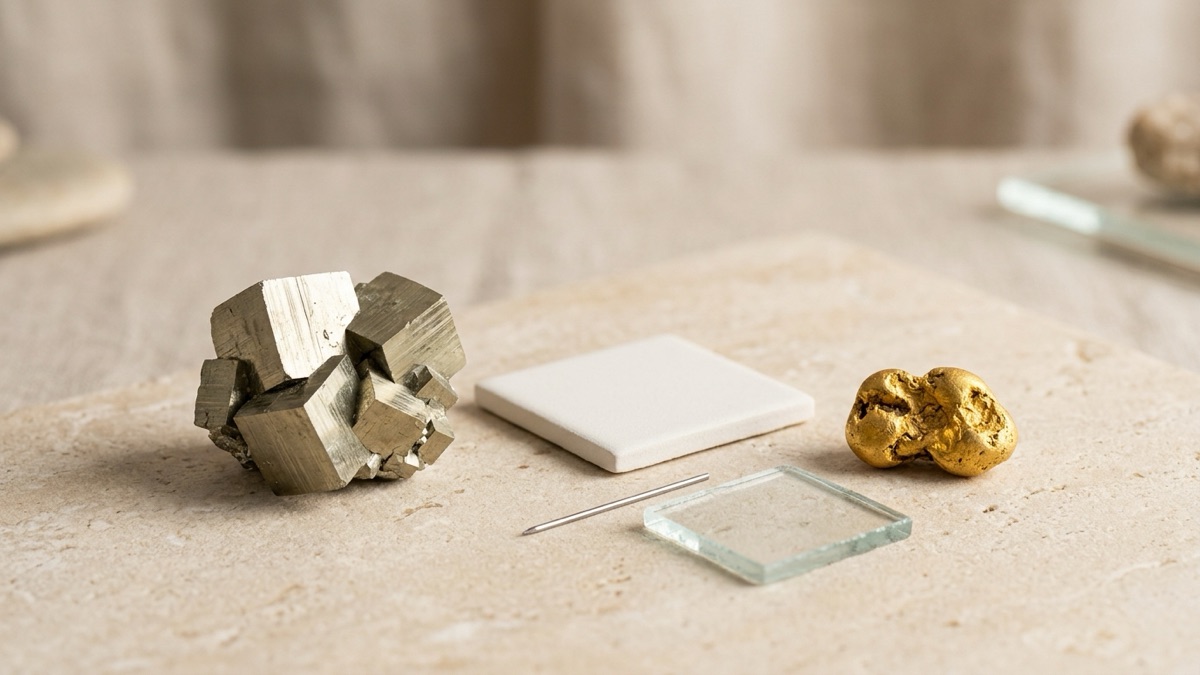
- Confirm it is petrified wood. Look for growth rings, bark texture and grain. Being mostly quartz, it scratches glass. Our guide on how to identify petrified wood walks through six clues.
- Write down where it came from. A locality or a shop label adds confidence for any buyer.
- Compare like with like. Match size, color, polish and damage against dated sales, not against the priciest listing you can find.
- Get a market opinion. A specialist dealer or a gem and mineral club at a show can tell you what similar pieces sell for.
- Hire an appraiser when it counts. For insurance, an estate or a donation, use a qualified appraiser. The American Society of Appraisers lists members under Gems and Jewelry and Personal Property; ask about their experience with fossils.
Try it
Not sure it is wood at all? Answer a few questions in the free rock identifier to see likely candidates, from petrified wood to jasper and chert. It runs in your browser and never uploads a photo.
Tip
An auction estimate is a guess, not a sale. In August 2020, Bonhams gave a five-foot Arizona log an estimate of $20,000 to $30,000, and the lot was withdrawn before it sold.
For the bigger picture on what makes any rock valuable, see our hub on rocks worth money.
The takeaway
Petrified wood is a real fossil and a lovely thing to own, but most pieces sell for modest sums. Value climbs when strong color, a good polish, large size, an intact rind and a clean record all come together, and it falls with cracks, dull color and a doubtful source. Check the rules before you collect, keep your locality notes, and get an in-person opinion before you name a price. The RockhoundID app, coming soon, will suggest likely matches from a photo and tell you which test confirms them.
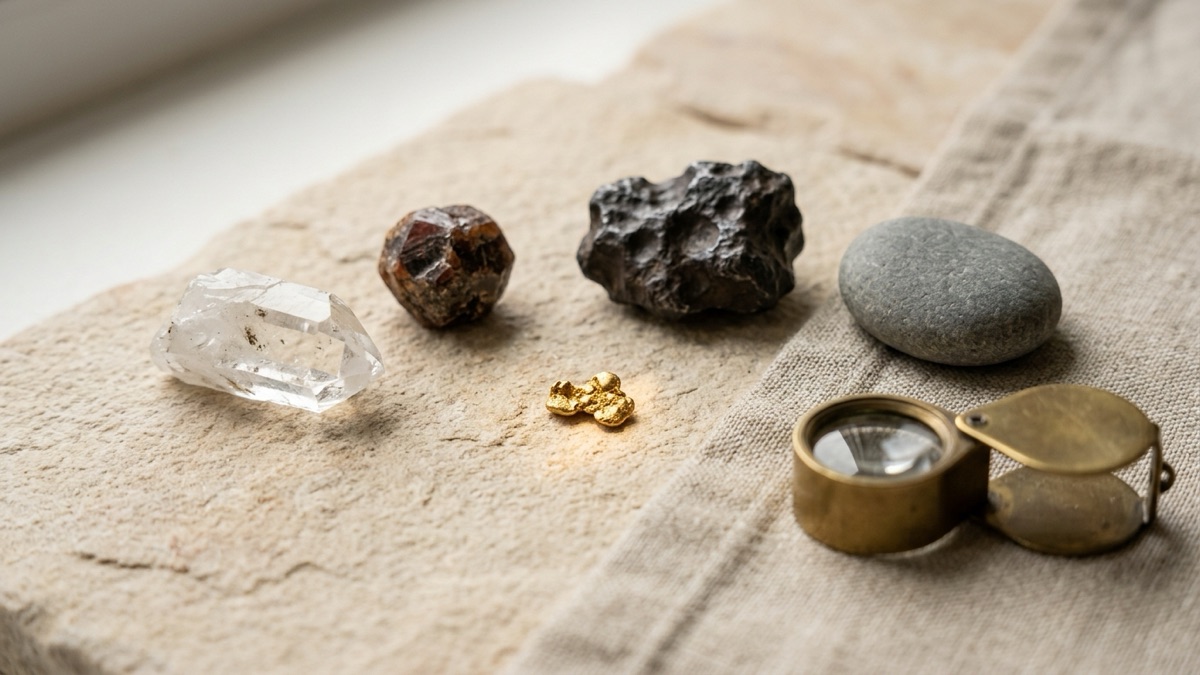
The pictures in this guide are AI-generated illustrations of what to look for; real specimens vary, so trust the tests over any picture. RockhoundID guides help you narrow down what you found. They suggest likely candidates, not certain identifications or appraisals. For anything valuable, rare or possibly from space, ask a museum, a university geology department or your state geological survey, and check the collecting rules for the land before you take anything home.
Questions rockhounds ask
Is petrified wood worth anything?
Usually a modest amount. As of September 2026, the dealer FossilEra listed small Arizona pieces from about $19 and polished pieces from about $85. Large, colorful, polished slabs are the exception: matched Arizona slabs have sold at Bonhams for several thousand dollars.
What makes petrified wood valuable?
Several things at once: bright, varied color, a good polish, large size, an intact bark rind, crystal pockets or a rare species, no cracks or repairs, and a clear, legal source. A dull, cracked rough chunk is worth far less than a colorful polished round of the same wood.
Can I sell petrified wood I found on BLM land?
Not to a dealer. Under 43 CFR 3622.4, petrified wood collected free on public land is for personal use and may not be sold or bartered to commercial dealers. Collecting for sale needs a contract or permit from the BLM.
Where does the petrified wood in Arizona rock shops come from?
From private land. The National Park Service says every piece sold in gift shops comes from private lands outside Petrified Forest National Park, whose owners have the right to collect, mine and sell it. Taking wood from inside the park is illegal.
How do I get my petrified wood appraised?
Confirm what it is first, then ask a specialist dealer or a gem and mineral club for a market opinion. For insurance, an estate or a donation, hire a qualified appraiser and ask about their experience with fossils and natural history pieces.
Where these facts come from
- National Park Service, Petrified Forest: Petrified wood: www.nps.gov/pefo/learn/nature/petrified-wood.htm
- National Park Service, Petrified Forest: Frequently asked questions: www.nps.gov/pefo/faqs.htm
- National Park Service, Petrified Forest: Management: www.nps.gov/pefo/learn/management/
- FossilEra: Arizona petrified wood for sale (asking prices checked September 2026): www.fossilera.com/fossils-for-sale/arizona-petrified-wood
- Bonhams: Pair of Arizona petrified wood end tables (May 2018): www.bonhams.com/auction/24619/lot/4035/pair-of-arizona-petrified-wood-end-tables
- Bonhams: Agatized wood slab (May 2018): www.bonhams.com/auction/24619/lot/4033/agatized-wood-slab
- Bonhams: Pair of book-matched petrified wood slabs (December 2021): www.bonhams.com/auction/26880/lot/2326/pair-of-book-matched-petrified-wood-slabs
- Heritage Auctions: Petrified conifer slab, lot 72142 (March 2023), description: fineart.ha.com/itm/fossils/paleobotany-plants-/petrified-conifer-slabaraucariatr
- Bonhams: Petrified wood log (August 2020, withdrawn): www.bonhams.com/auction/26081/lot/70/petrified-wood-log
- 43 CFR 3622.4: Petrified wood collection rules: www.law.cornell.edu/cfr/text/43/3622.4
- 43 CFR 8365.1-5: Property and resources (BLM): www.ecfr.gov/current/title-43/subtitle-B/chapter-II/subchapter-H/part-8360/subpa
- BLM: Rockhounding: www.blm.gov/programs/recreation/rockhounding
- 36 CFR 2.1: Preservation of natural resources (National Park Service): www.ecfr.gov/current/title-36/chapter-I/part-2/section-2.1
- American Society of Appraisers: Find an appraiser: myaccount.appraisers.org/Directories/Find-An-Appraiser
Read next
identification
How to Identify Rocks: A Simple 7-Test Method