Agate Value: What Makes One Agate Worth More
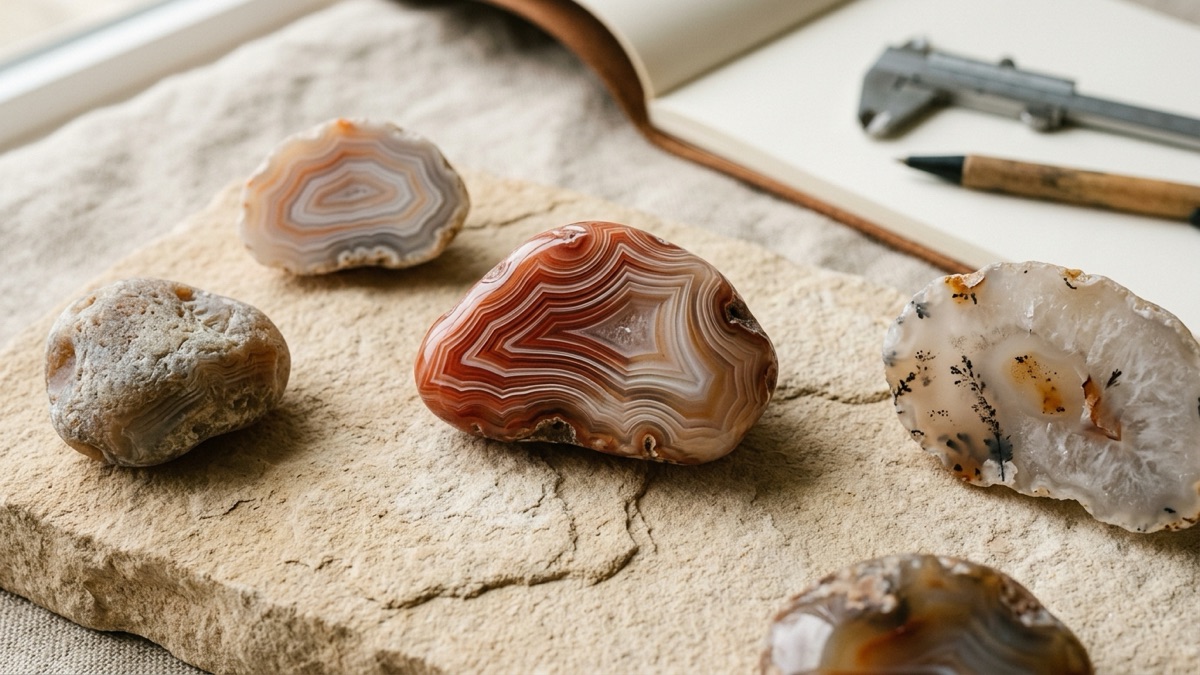
You spotted a banded, glassy pebble on a gravel bar, or a jar of beach agates came down from a relative. Before you picture a windfall, it helps to know what agate buyers really pay for. The short version: most agates are worth more as keepsakes than as cash, and a few are worth a lot more than the rest.
Quick answer
Most agates sell for a few dollars to a few hundred. As of September 2026, FossilEra listed small polished agates from $4 and polished nodules and slabs from about $95 to $495. Sharp banding, natural color, translucency, size, a sought-after locality and a crack-free stone raise the price; dye and damage lower it.
Key takeaways
- Agate is a common form of quartz, so ordinary pieces sell for little. The Minnesota DNR says large, exceptionally beautiful Lake Superior agates may be worth hundreds of dollars.
- As of September 2026, FossilEra's agate listings ran from $4 for small polished stones to $1,250 for a carved piece.
- Tight, crisp banding, strong natural color, translucency, size and an intact rind add value. Fractures, dull color and dye take it away.
- Locality names such as Lake Superior, Laguna and Botswana matter to collectors, but only when the stone is a good example.
- Rules vary: Minnesota state parks generally forbid taking rocks, BLM land allows reasonable amounts for personal use, and private land needs permission.
Are agates worth anything?
Agate is banded chalcedony, a form of quartz made of crystals too small to see, and it is hard (about 6.5 to 7 on the Mohs scale) and widespread. That is great news for rockhounds and less great for anyone hoping to sell a pocketful. Our guide to the agate stone covers how it forms and how to recognize it.
The Minnesota DNR puts it plainly: collectors prize Lake Superior agates for their size and distinctive markings rather than for money, although large, exceptionally beautiful agates may be worth hundreds of dollars. That matches what the market shows below.
How much is agate worth? Real prices
Dealer prices are what a seller was asking when we checked in September 2026. Auction prices are what a buyer paid, including the buyer's premium, on the date shown. None of them is an appraisal of your stone.
| What sold or was offered | Size | Price | Source and date |
|---|---|---|---|
| Polished carnelian and moss agate stones | about 1.5 in | $4 to $5 each | FossilEra, September 2026 |
| Polished Laguna agate halves, Mexico | 4.4 in and 5.4 in | $125 and $95 | FossilEra, September 2026 |
| Polished banded agate nodules and slices, Morocco | 6.6 to 8 in | $295 to $375 | FossilEra, September 2026 |
| Plume agate slab, Wingate Pass, California | 4 in | $495 | FossilEra, September 2026 |
| Lake Superior agate half nodule, plus a datolite | about 1.9 in | $51 for both | Bonhams, October 2020 |
| Polished Lake Superior "eye" agate, Duluth | 5 x 3 cm | $70 winning bid | Mineral Auctions, December 2020 |
| 18 agates from world localities, with seven Laguna slices | up to 4 in | $535.50 for the lot | Bonhams, October 2020 |
| Lake Superior agate | 3.5 pounds | $1,100 | reported by the Duluth News Tribune, November 2008 |
Two things jump out. First, bigger is not automatically better: the smaller Laguna half was priced higher than the larger one, and the 8 inch Moroccan nodule was the cheapest of its group. Other qualities, such as pattern and color, outweighed size. Second, even named collection pieces often sell for modest sums at auction, as the Bonhams results from October 2020 show.
What makes one agate worth more than another?
Buyers weigh several features at once. Here is what they look for.
Banding and pattern
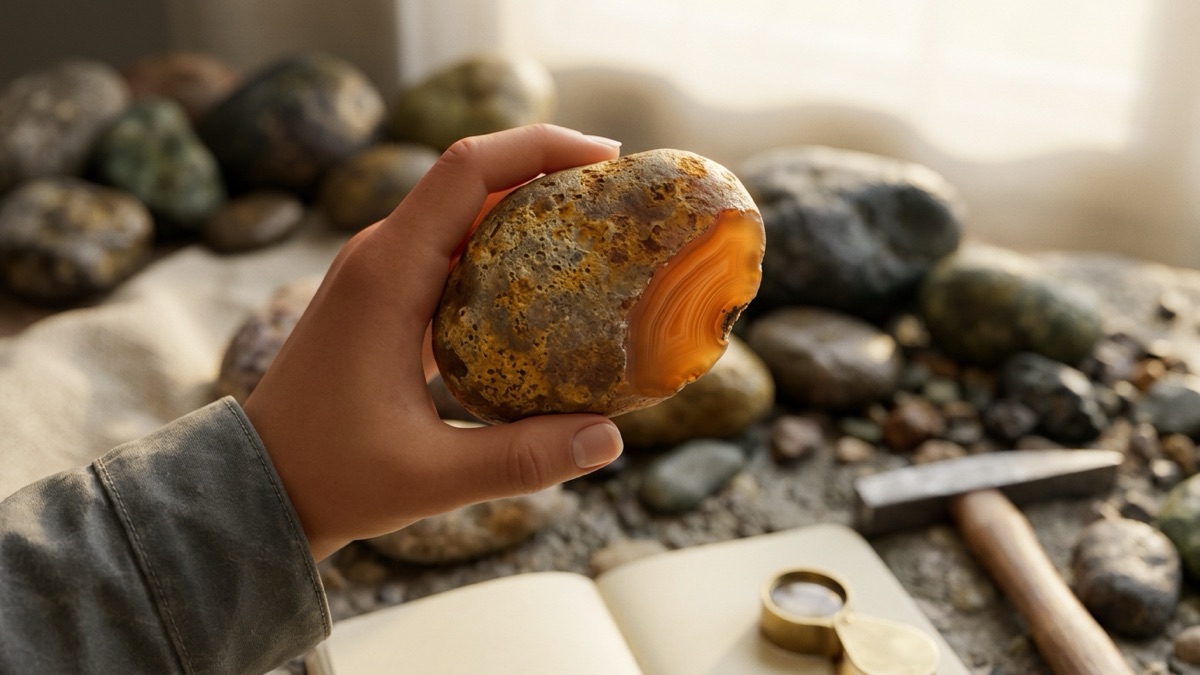
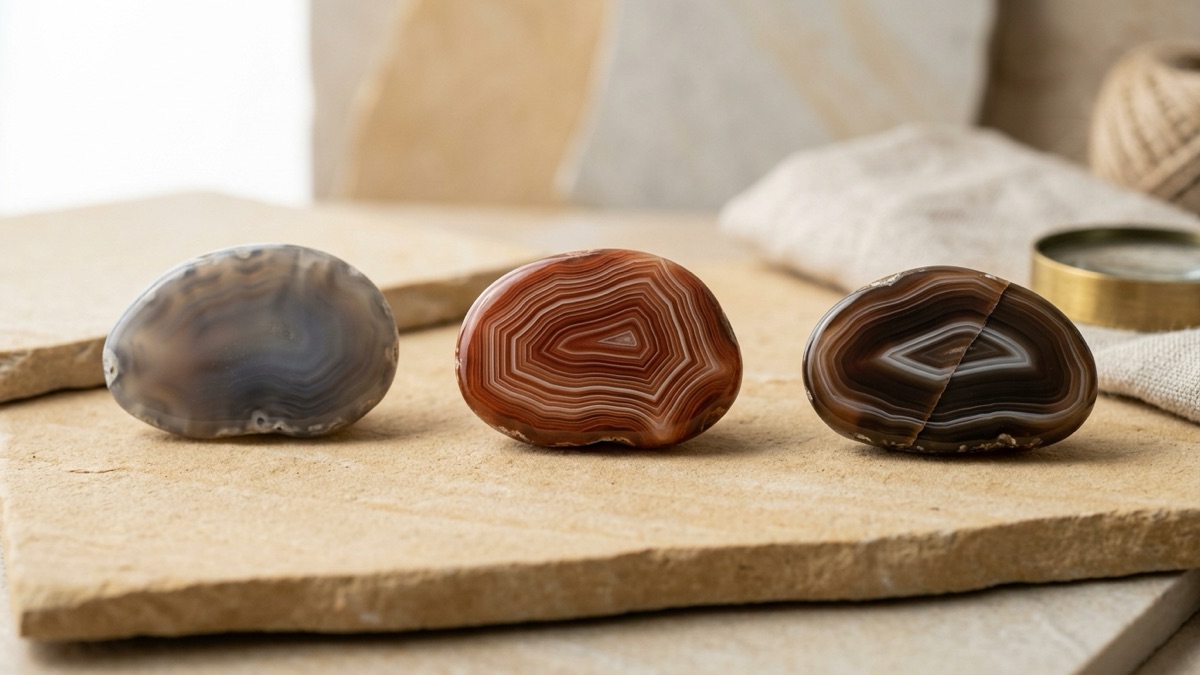
Sharp, tight, unbroken bands that follow the shape of the stone (collectors call them fortification bands) are the classic prize. Special patterns add interest: the "eye" agate that sold at Mineral Auctions was praised for its large, centered pattern of rings, and plume and moss agates are valued for the feathery or branching shapes inside. Blurry, patchy banding is worth less, however big the stone.
Natural color
The Minnesota DNR says red, orange and yellow, all caused by iron, are the main colors in Lake Superior agates. Strong, natural color is what collectors want, and FossilEra says naturally colored specimens remain especially prized. Beware of color that looks too bright: agate is porous and takes dye easily, and Geology.com notes that most spectacularly colored agates in the gem trade are dyed.
Translucency
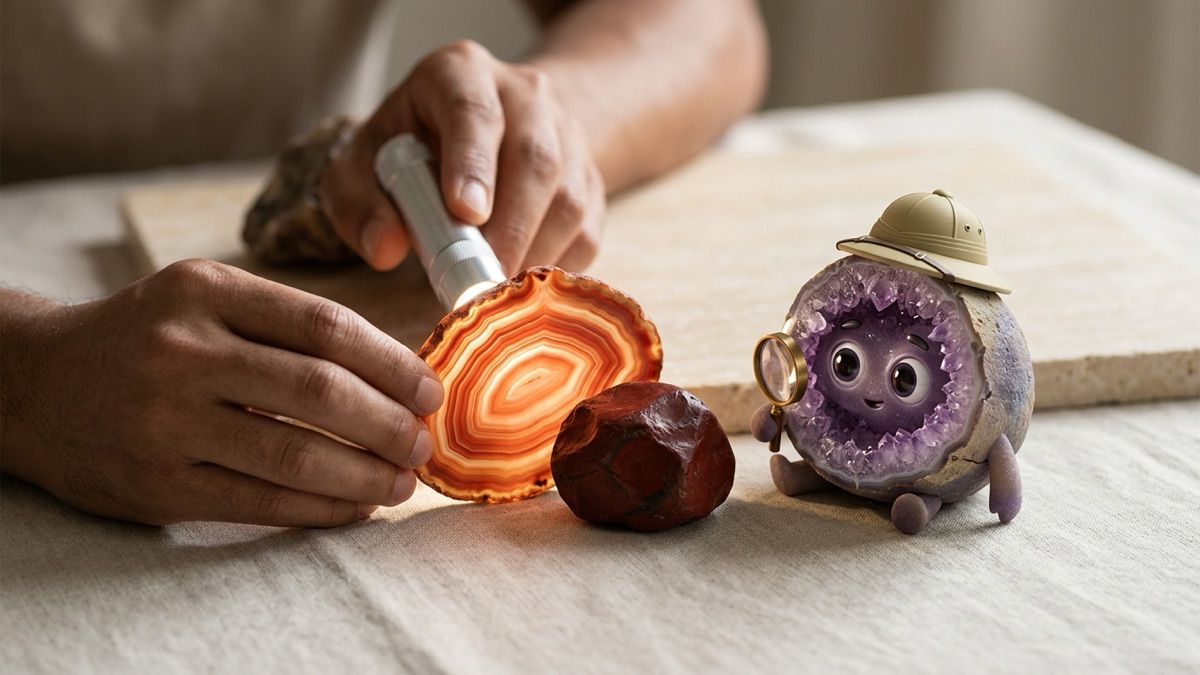
Good agate lets light through its thin edges and glows when you hold a flashlight behind it. That glow brings the colors alive in a display, and it is also the quickest way to tell agate from jasper, which stays dark. Our guide to agate vs jasper shows the test step by step.
Size
Big, good agates are rare. The Minnesota DNR says Lake Superior agates range from about pea size to more than 20 pounds, and the Duluth News Tribune reported in 2008 that anything larger than a baseball is considered big for a Lake Superior agate. Size multiplies value only when pattern and color are good too.
Locality
Some names carry weight. Lake Superior agate has been Minnesota's official gemstone since 1969. FossilEra says Laguna agate comes only from around Ojo Laguna in Chihuahua, Mexico, with first documented finds in the late 1940s, and lists Laguna, Condor, Lake Superior and Botswana agates among the most sought-after locality types. A famous name on a dull stone does not make it a good stone, though. Our guide to types of agate covers the main varieties.
Condition and polish
Fractures, chips and a battered rind lower value; the Duluth eye agate's listing made a point of it being nearly flawless. A polished face shows buyers exactly what they are paying for. On the beach, a natural, uncut Lake Superior agate with visible bands can still delight a collector. Our guide to Lake Superior agates shows how to spot one.
Fun fact
According to the Minnesota DNR, the town of Moose Lake markets itself as the "agate capital of the world" and celebrates Agate Days every July. Moose Lake State Park has its own agate and geological center.
Where can you legally hunt for agates?
The Minnesota DNR says Lake Superior agates turn up throughout much of Minnesota: on river banks and river mouths, in gravel pits, and wherever pebbles and gravel abound. Who owns that gravel decides whether you can pick it up.
- Minnesota state parks and forest recreation areas: Minnesota Rules 6100.0900 forbids removing geological formations. The named exception is Hill Annex Mine State Park, where rock specimens and fossils may be collected for noncommercial use, subject to posted restrictions.
- Gravel pits and private shores: only with the owner's permission. Working pits are also dangerous places to wander.
- BLM land: the public may collect reasonable amounts for noncommercial purposes, with hand tools and outside posted or developed sites (43 CFR 8365.1-5). The BLM lists several rockhounding areas; check each area's own page before you go.
- National parks: no collecting at all.
Heads up
Rules change and signs matter. Check the land manager's page or call the local office before you collect, and never dig into banks or bluffs. Our guide to rock collecting rules covers forests, parks and private land.
How do you find out what your agate is worth?
- Confirm it is agate. Look for curved bands, a waxy luster and light passing through thin edges.
- Clean it gently. Water and a soft brush only. Skip acid, wire brushes and varnish, which can damage or disguise the surface.
- Judge it honestly. Banding, natural color, translucency, size, cracks: note each one.
- Compare with dated sales of similar size, pattern and locality, not the priciest listing you can find.
- Get a market opinion from a specialist dealer or a gem and mineral club at a show. For insurance or an estate, hire a qualified appraiser; the American Society of Appraisers lists members under Gems and Jewelry and Personal Property.
Try it
Not sure whether you have agate, jasper or chert? Answer a few questions in the free rock identifier to see likely candidates. It runs in your browser and never uploads a photo.
For how agate fits into the bigger picture of valuable finds, see our hub on rocks worth money.
The takeaway
Agate is common, beautiful and mostly inexpensive, which makes it a perfect stone to collect for fun. Real value shows up when crisp banding, natural color, translucency, good size, a respected locality and a crack-free stone come together. Check who owns the ground before you pick anything up, and get an in-person opinion before you name a price. The RockhoundID app for Android suggests likely matches from a photo and tells you which test confirms them.
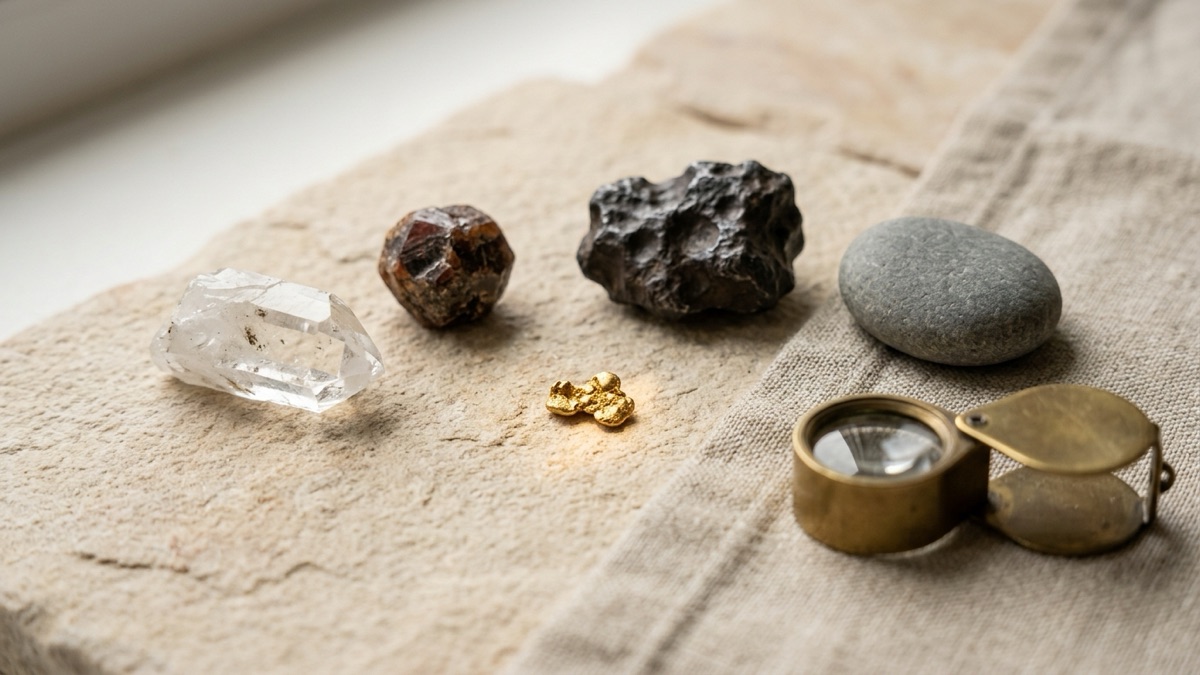
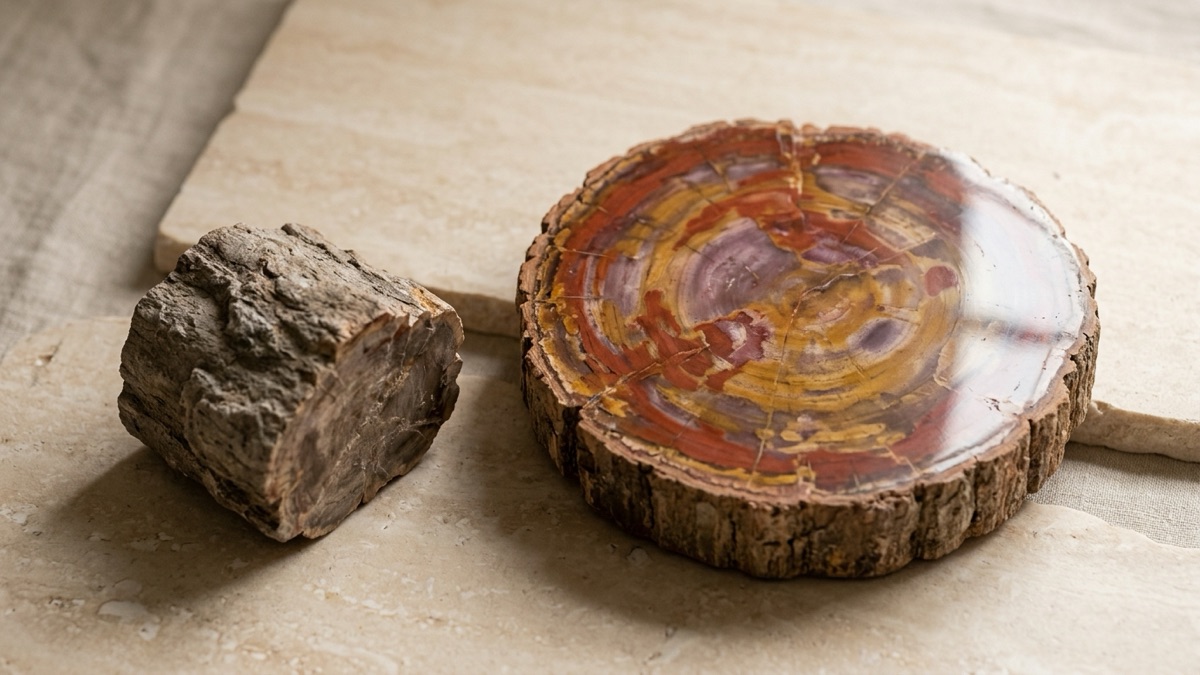
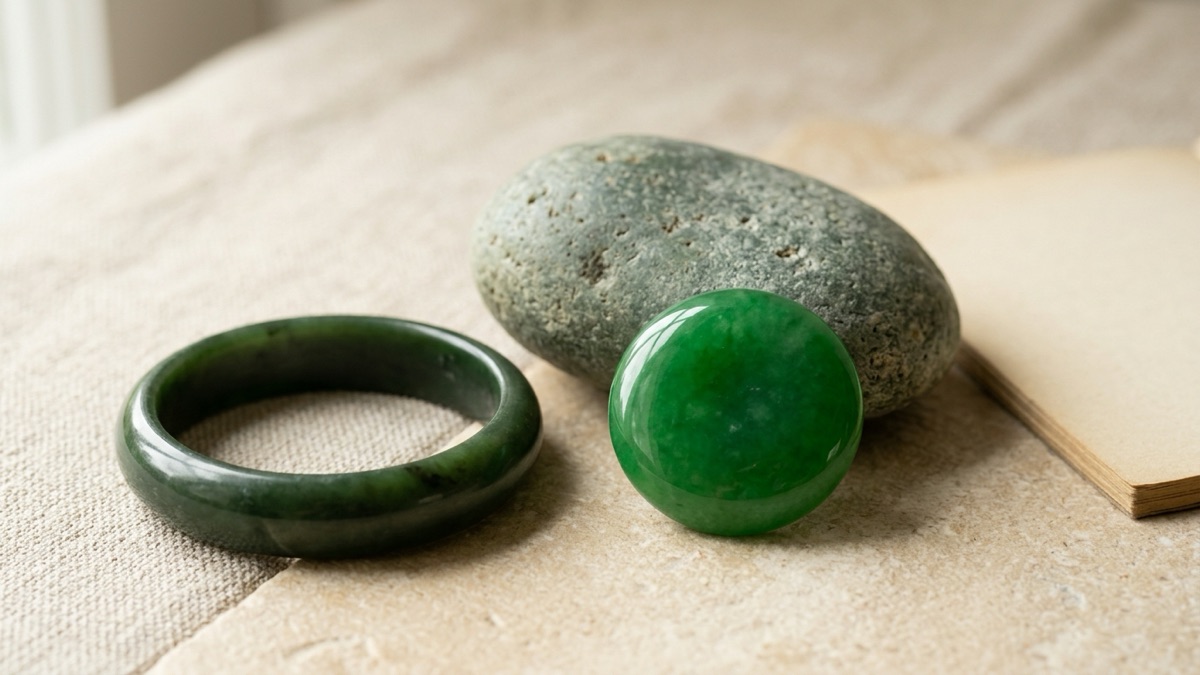
The pictures in this guide are AI-generated illustrations of what to look for; real specimens vary, so trust the tests over any picture. RockhoundID guides help you narrow down what you found. They suggest likely candidates, not certain identifications or appraisals. For anything valuable, rare or possibly from space, ask a museum, a university geology department or your state geological survey, and check the collecting rules for the land before you take anything home.
Questions rockhounds ask
How much is an agate worth?
Most agates sell for a few dollars to a few hundred. As of September 2026, FossilEra listed small polished agates from $4 and polished nodules and slabs from about $95 to $495. Size, banding, natural color, translucency and condition decide where a particular stone falls.
How much is a Lake Superior agate worth?
Most are worth little in money. The Minnesota DNR says large, exceptionally beautiful Lake Superior agates may be worth hundreds of dollars. A small polished eye agate sold for $70 at Mineral Auctions in December 2020, while the Duluth News Tribune reported a 3.5 pound agate selling for $1,100 in 2008.
Are dyed agates worth less?
Yes. Agate is porous and takes dye easily, and many brightly colored agates on the market are dyed. Collectors pay more for natural color, so a vivid pink, blue or purple slice from a gift shop is usually an inexpensive decorative piece.
Can I collect agates in Minnesota state parks?
Generally no. Minnesota Rules 6100.0900 forbids removing geological formations from state parks and forest recreation areas. The rule names Hill Annex Mine State Park as the exception, where rock specimens and fossils may be collected for noncommercial use, subject to posted restrictions.
Where these facts come from
- Minnesota DNR: Lake Superior agate: www.dnr.state.mn.us/snapshots/rocks_minerals/lakesuperioragate.html
- FossilEra: Agates for sale (asking prices checked September 2026): www.fossilera.com/minerals-for-sale/polished-agates
- FossilEra: Laguna agates for sale (asking prices checked September 2026): www.fossilera.com/fossils-for-sale/laguna-agate
- Mineral Auctions: Lake Superior agate, Duluth, Minnesota (December 2020): www.mineralauctions.com/items/lake-superior-eye-agate-rare-style-86868
- Bonhams: Lake Superior agate together with a datolite from Michigan (October 2020): www.bonhams.com/auction/26150/lot/1012/lake-superior-agate-together-with-a-datol
- Bonhams: World localities of agates (October 2020): www.bonhams.com/auction/26150/lot/1043/world-localities-of-agates
- Bonhams: Two agate specimens (October 2020): www.bonhams.com/auction/26150/lot/1015/two-agate-specimens
- Duluth News Tribune: Agate's allure holds fast (November 2008): www.duluthnewstribune.com/news/agates-allure-holds-fast
- Geology.com (Hobart M. King): Agate: geology.com/gemstones/agate/
- Minnesota Rules 6100.0900: Collection and removal of natural objects (state parks): www.revisor.mn.gov/rules/6100.0900/
- 43 CFR 8365.1-5: Property and resources (BLM): www.ecfr.gov/current/title-43/subtitle-B/chapter-II/subchapter-H/part-8360/subpa
- BLM: Rockhounding: www.blm.gov/programs/recreation/rockhounding
- American Society of Appraisers: Find an appraiser: myaccount.appraisers.org/Directories/Find-An-Appraiser